
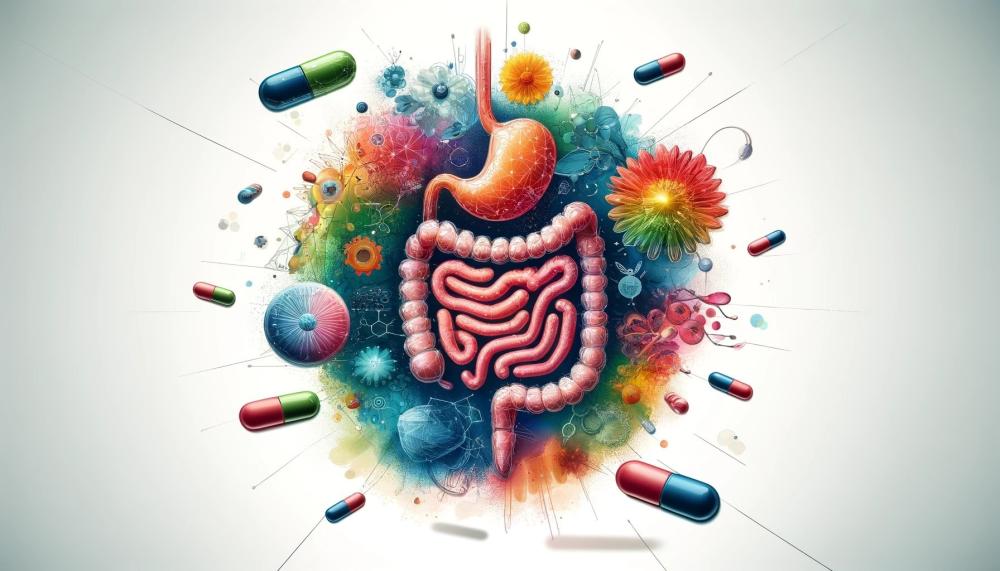

In our modern world, where speed and stress pervade every aspect of our lives, attention to physical and mental health has become an essential necessity that cannot be overlooked. At the heart of this concern are probiotics, these live microorganisms that have proven their numerous health benefits, especially for adults. In this article, we delve into the world of probiotics to discover how they can improve our internal health and boost our immunity.
What are probiotics and what are their benefits?
Probiotics are live bacteria and yeasts that are considered beneficial to our health, especially when taken in appropriate amounts. These organisms are naturally found in the digestive tract and play a vital role in maintaining the balance of good and bad bacteria within the body. Probiotics help boost the immune system, improve digestion, and may also help alleviate symptoms such as diarrhea, constipation, and gastrointestinal infections. Additionally, studies have shown that probiotics play a role in promoting psychological and emotional health via the so-called "gut-brain axis."
Boosting the digestive system
Probiotics effectively contribute to improving digestion and reducing digestive problems such as bloating, gas, and constipation by balancing gut bacteria. The gut is not just a conduit for food; it's a vital hub that influences everything from immunity to mood.
Immune system support
Nearly 70% of the immune system resides in the digestive tract, and probiotics play a crucial role in strengthening this system. By improving gut health, probiotics contribute to strengthening the body's natural defenses against disease and infection.
Impact on mental health
In recent years, scientists have begun exploring the so-called "gut-brain axis," a connection that explores how gut bacteria influence the brain. Studies suggest that probiotics may help alleviate symptoms of certain psychological disorders such as anxiety and depression by affecting this axis.
Prevention of chronic diseases
Scientific research has shown that consuming probiotics may play a role in preventing certain chronic diseases such as obesity, type 2 diabetes, and heart disease. These microorganisms improve cholesterol levels, reduce inflammation, and enhance insulin sensitivity, which in turn contributes to reducing the risk of these diseases.
Improve nutritional absorption
In addition to their digestive benefits, probiotics help increase the body's absorption of nutrients such as vitamins and minerals. This means that consuming probiotics can enhance the benefits of a healthy diet, helping the body get the most out of the food it eats.
Promote skin health
It may not be obvious at first glance, but there is a connection between gut health and skin health. Research suggests that probiotics can help treat certain skin conditions like eczema and acne, thanks to their anti-inflammatory effects and ability to strengthen the immune barrier.
Do probiotics cleanse the colon?
When we talk about "colon cleansing," we often think of removing toxins and waste that may have accumulated in the digestive tract. However, the role probiotics play in this context is somewhat different from the traditional concept of cleansing.
microbial balance
Probiotics play a key role in promoting a healthy balance of bacteria within the colon. Healthy gut bacteria play a pivotal role in breaking down fiber and substances that cannot be digested by human enzymes alone. By boosting these beneficial bacteria, probiotics help keep the colon free of substances that can contribute to inflammation and waste buildup.
Role in improving bowel movement
Probiotics promote healthy bowel movements, which can be considered a colon "cleansing" procedure. By improving these movements, probiotics help eliminate waste more regularly, reducing discomfort and buildup that can cause health problems.
reduce inflammation
Probiotics play a role in reducing inflammation in the colon, promoting colon health. Inflammation can cause numerous problems, including an increased risk of constipation or even more serious conditions such as inflammatory bowel disease. By reducing inflammation, probiotics help maintain colon health.
Support normal functions
The colon's role isn't limited to passing waste; it also participates in absorbing water and nutrients. Probiotics help enhance these functions, ensuring greater efficiency in the colon's overall performance and health.
When does the effect of beneficial bacteria appear?
The effectiveness of probiotics depends on several factors, such as the type of probiotic, its dosage, and the health status of the person taking it. Generally, people may notice improved digestion and less gastrointestinal discomfort within a few days to weeks of starting to take probiotics. However, for long-term benefits, it is recommended to take probiotics regularly and as part of a balanced diet.
Probiotics offer a wide range of benefits for adults, contributing to everything from gut health to mood. Remember, choosing high-quality, reliable products is key to getting the most out of your probiotics. In addition, a variety of fermented foods can enrich your diet and boost your probiotic intake in a natural and sustainable way.
Ultimately, taking care of your health starts from within, and probiotics are one of the best ways to ensure that.