
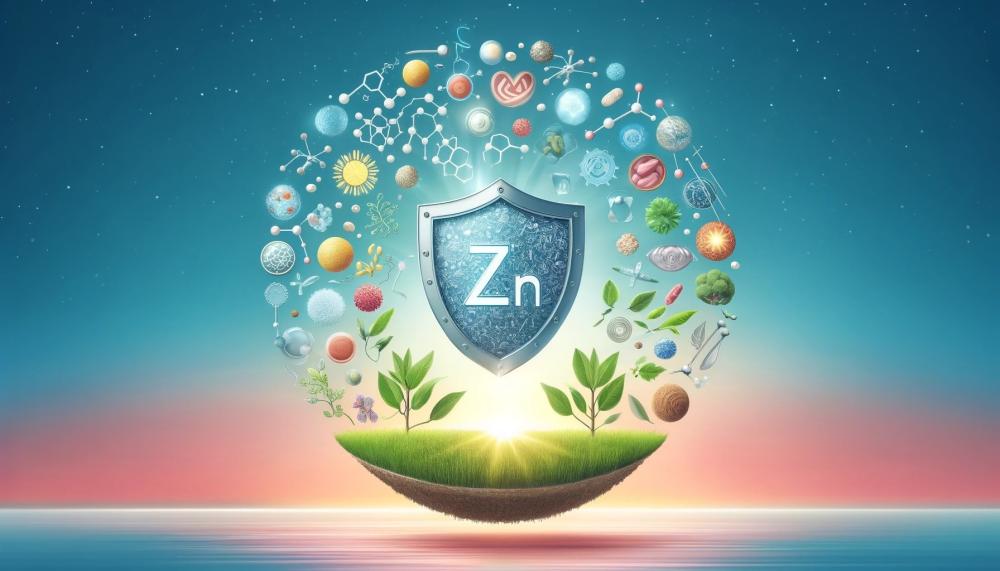

Zinc is one of the most important nutrients the human body needs to perform its vital functions properly. It is found throughout the body and plays a significant role in many vital processes, including:
- Strengthening the immune system: Zinc helps activate white blood cells, the body's first line of defense against infection and disease.
- Promotes wound healing: Zinc helps in the growth and development of new tissue, which speeds up the healing process of wounds and burns.
- Maintaining healthy skin and hair: Zinc helps regulate the secretion of thyroid hormones, which in turn affects the health of the skin and hair.
- Improving cognitive function: Zinc helps brain growth and development, and enhances cognitive and memory functions.
- Maintaining bone health: Zinc helps with calcium absorption, which is essential for bone health and preventing osteoporosis.
Benefits of Zinc in the Body: A Journey Through Its Multiple Benefits
1. Strengthening the immune system:
Zinc is essential for the function of white blood cells, the body's first line of defense against infection and disease. Zinc helps activate white blood cells and kill bacteria, viruses, and fungi. Zinc also helps produce antioxidants that fight free radicals and protect cells from damage. Zinc deficiency can weaken the immune system and increase the risk of infection and disease.
2. Promote wound healing:
Zinc plays an important role in the growth and development of new tissue, which speeds up the healing process of wounds and burns. Zinc helps produce collagen, a protein essential for the formation of connective tissue. Zinc also helps regulate blood flow to the wound, providing the nutrients and oxygen needed for healing. Zinc deficiency can slow wound healing and increase the risk of infection.
3. Maintaining healthy skin and hair:
Zinc helps regulate thyroid hormone production, which in turn affects skin and hair health. Zinc helps protect skin cells from damage caused by free radicals, keeping the skin healthy and radiant. Zinc also helps strengthen hair follicles and prevent hair loss. Zinc deficiency can cause dry skin and hair loss.
4. Improve cognitive functions:
Zinc plays an important role in brain growth and development, enhancing cognitive and memory functions. Zinc helps transmit nerve signals between neurons and helps produce neurotransmitters such as dopamine and serotonin, which play important roles in cognitive functions and mood. Zinc deficiency can cause difficulty with concentration and memory, and increases the risk of neurodegenerative diseases such as Alzheimer's disease.
5. Maintaining bone health:
Zinc aids calcium absorption, which is essential for bone health and the prevention of osteoporosis. Zinc also helps regulate bone growth and development. Zinc deficiency can cause weak bones and increase the risk of osteoporosis.
6. Promoting reproductive health:
Zinc helps produce testosterone in men and estrogen in women. Testosterone plays an important role in sexual function and fertility in men, while estrogen plays an important role in sexual function and fertility in women. Zinc deficiency can cause poor sexual function and decreased fertility.
7. Improving the sense of taste and smell:
Zinc plays an important role in the sense of taste and smell. Zinc helps form taste buds and smell receptors, and it also helps transmit nerve signals from the taste buds to the brain. Zinc deficiency can cause a loss of taste or smell.
8. Protection from free radicals (supplement):
Zinc helps produce antioxidants that fight free radicals and protect cells from damage. This can reduce the risk of chronic diseases such as cancer, cardiovascular disease, and diabetes.
9. Improve mood:
Zinc helps regulate the secretion of the happy hormone (serotonin), which improves mood and reduces the risk of depression. Zinc deficiency can cause depression and anxiety.
10. Other benefits:
In addition to the benefits mentioned above, zinc can also help with:
- Improve visual acuity
- Diarrhea prevention
- Strengthening the sense of smell
- Improve prostate health
As you can see, zinc plays a vital role in many bodily functions, and getting enough zinc is essential for good health.
Signs of zinc deficiency in the body:
Some signs and symptoms may indicate a zinc deficiency in the body, such as:
- Weakened immunity: A person becomes more susceptible to infections and diseases.
- Slow wound healing: Wounds may take longer to heal.
- Hair loss: A person may suffer from abnormal hair loss.
- Dry skin: Skin may become dry and flaky.
- Loss of taste or smell: A person may partially or completely lose their sense of taste or smell.
- Diarrhea: The person may suffer from frequent diarrhea.
- Feeling tired and exhausted: A person may feel tired and exhausted all the time.
Zinc Supplements: Boosting Your Body's Health from Within
How zinc supplements work in the body:
Zinc supplements are one of the most common nutrients, used to compensate for zinc deficiency or to promote overall health. Zinc supplements work within the body in several ways, including:
Increased zinc absorption: Zinc supplements help increase zinc absorption from the digestive tract. This is especially important for people with zinc deficiency or conditions that affect zinc absorption, such as inflammatory bowel disease.
Supplying the body with zinc: Zinc supplements provide the body with an additional amount of zinc, which helps compensate for zinc deficiency and improve various body functions.
Boosting immune system function: Zinc supplements help boost immune system function by activating white blood cells and killing bacteria, viruses, and fungi. Zinc supplements also help produce antioxidants that fight free radicals and protect cells from damage.
Accelerating wound healing: Zinc supplements help speed up the healing process of wounds and burns by promoting the growth and development of new tissue. Zinc supplements also help regulate blood flow to the wound, providing the nutrients and oxygen needed for healing.
Improving cognitive function: Zinc supplements help improve cognitive function and memory by transmitting nerve signals between neurons and producing neurotransmitters such as dopamine and serotonin.
The importance of zinc supplements to compensate for zinc deficiency:
Zinc deficiency can cause many health problems, including:
- Weak immunity
- slow wound healing
- hair loss
- dry skin
- loss of taste or smell
- diarrhea
- feeling tired and exhausted
Zinc supplements can help compensate for zinc deficiency and improve these symptoms. Zinc supplements can be particularly beneficial for people who:
- They follow a vegetarian diet.
- Suffer from chronic diseases that affect zinc absorption
- Pregnant and lactating women
- children
- the elderly
Are zinc supplements safe?
In general, zinc supplements are considered safe when taken in recommended doses.
Zinc supplements are a safe and effective way to compensate for zinc deficiency and improve overall health.